

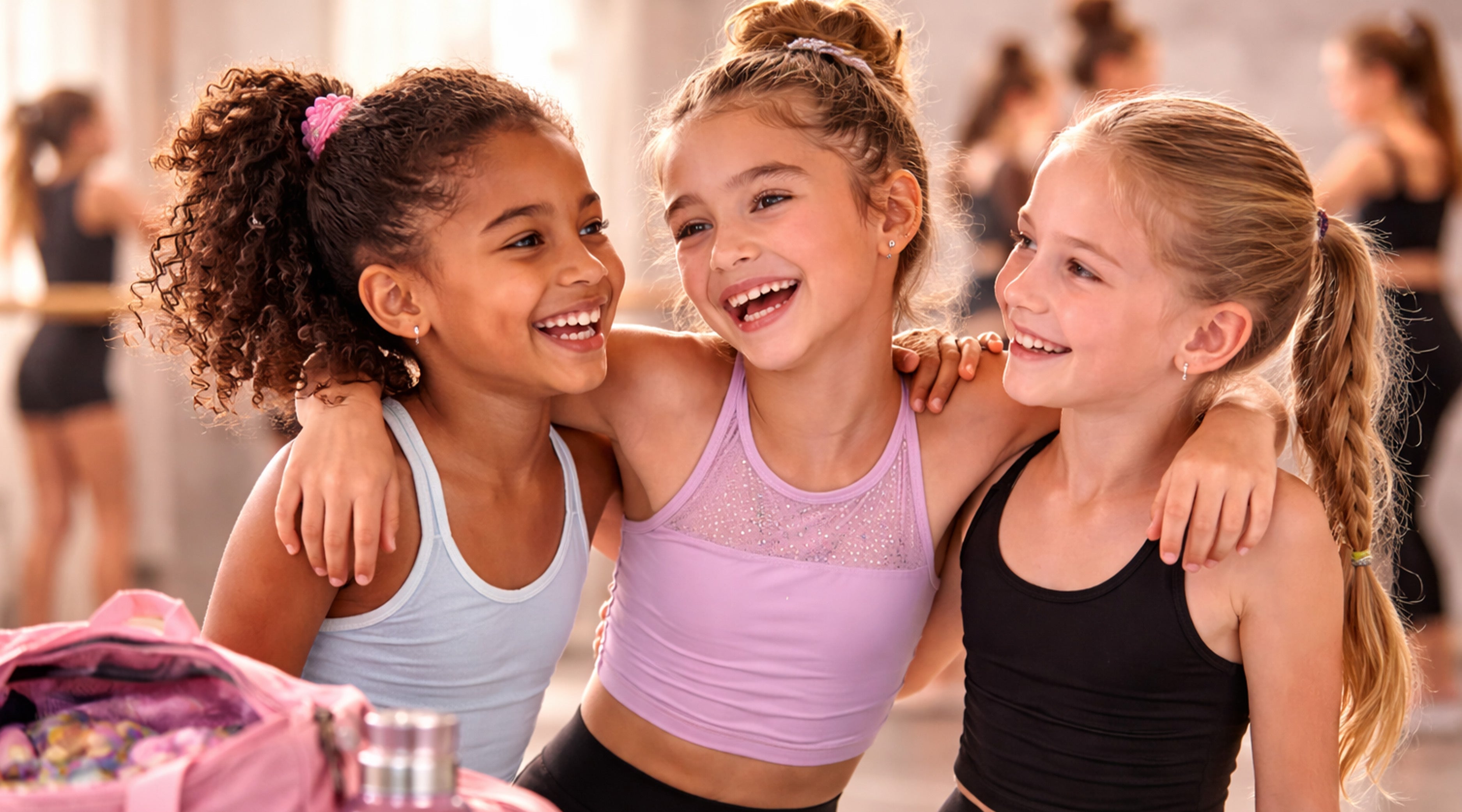
Introduction: Dance as More Than an Activity
When parents enroll their children in dance classes, the initial motivation is often simple — to help them stay active, socialize, or explore creativity. Yet over time, many begin to notice something deeper.
Dance is not merely about learning choreography or improving flexibility. It is a structured environment where children develop essential life skills that extend far beyond the studio.
Through consistent training, performance experiences, and peer interaction, dance becomes a space where children learn to navigate emotions, build resilience, and form their sense of identity.
This article explores the broader impact of dance on childhood development, highlighting how it shapes confidence, discipline, emotional intelligence, and social awareness.
1. Confidence Begins with Small Achievements
Confidence in children grows through repeated experiences of success, even in small forms.
Dance provides:
- Achievable milestones (learning a routine, mastering a step)
- Opportunities for positive feedback
- Visible progress over time
Each class presents a chance for children to realize that effort leads to improvement. This realization strengthens self-belief.
Unlike purely academic settings, dance integrates physical and emotional achievement, making confidence development more holistic.
2. Discipline Through Structured Creativity
Dance uniquely combines creativity with discipline. Children learn that artistic expression thrives within structured practice.
Key elements include:
- Following instructions
- Maintaining class etiquette
- Practicing regularly
- Respecting rehearsal schedules
These habits translate into improved time management and responsibility in other areas of life.
Children who engage in structured activities often develop stronger organizational skills.
3. Emotional Expression & Regulation
Dance offers a healthy outlet for emotional expression. Through movement, children can explore feelings they may not yet have the vocabulary to articulate.
Benefits include:
- Emotional release
- Improved mood regulation
- Increased self-awareness
Choreography often involves storytelling, encouraging children to connect movement with emotion.
This process supports emotional intelligence — the ability to understand and manage one’s feelings.
4. Social Development in Studio Environments
Dance classes foster social interaction in a collaborative setting.
Children learn:
- Teamwork
- Empathy
- Respect for peers
- Conflict resolution
Group rehearsals and performances create shared experiences that strengthen interpersonal skills.
Positive social environments contribute significantly to long-term participation in activities.
5. Building Resilience Through Challenges
Dance is physically and mentally demanding. Children encounter setbacks such as:
- Difficulty mastering techniques
- Performance anxiety
- Competitive pressure
Learning to navigate these challenges builds resilience.
Resilience developed through dance helps children:
- Persist in academic tasks
- Manage disappointment
- Approach new experiences with confidence
6. Identity Formation in Growing Children
Childhood and adolescence are critical periods for identity development.
Dance contributes by:
- Providing a sense of belonging
- Allowing creative self-expression
- Encouraging exploration of personal style
Children begin to see themselves as “dancers,” shaping their self-concept in positive ways.
Identity formed through meaningful activities supports emotional stability.
7. Physical Awareness & Health Benefits
Dance enhances:
- Coordination
- Balance
- Strength
- Flexibility
Beyond physical fitness, children develop body awareness — understanding how their bodies move and function.
This awareness supports overall health and reduces injury risk in daily activities.
8. The Role of Performance Experiences
Recitals and performances provide structured opportunities for children to:
- Overcome stage fright
- Experience accomplishment
- Celebrate progress
Performance environments teach children how to manage nerves and prepare effectively.
These experiences often become defining childhood memories.
9. Parental Support & Encouragement
Parents play a significant role in shaping children’s dance experiences.
Supportive approaches include:
- Celebrating effort rather than perfection
- Encouraging consistent attendance
- Providing appropriate resources
Positive reinforcement strengthens motivation and enjoyment.
10. The Influence of Environment & Resources
The quality of the dance environment impacts developmental outcomes.
Important factors include:
- Qualified instructors
- Safe studio facilities
- Comfortable dancewear
- Positive peer culture
When children feel comfortable and supported, they engage more fully.
Dancewear, though practical, contributes to confidence and readiness.
11. Long-Term Benefits Beyond Childhood
Skills developed through dance extend into adulthood.
Former dancers often demonstrate:
- Strong work ethic
- Creative problem-solving
- Emotional resilience
- Confidence in public settings
These attributes support success in diverse career paths.
12. Why Dance Remains a Valuable Investment
While extracurricular activities vary, dance uniquely integrates physical, emotional, and social development.
Its long-term benefits justify:
- Time commitment
- Financial investment
- Emotional support
Dance becomes not just an activity but a formative life experience.
Final Thoughts: Movement as a Pathway to Growth
Dance shapes children in ways that extend far beyond technique. It nurtures confidence, resilience, and emotional awareness — qualities that support lifelong wellbeing.
For parents seeking meaningful developmental experiences, dance offers a powerful combination of structure and creativity.
✨ Explore thoughtfully curated dancewear for growing dancers at Glam-Groove.com
Designed for comfort. Supporting confidence.


