

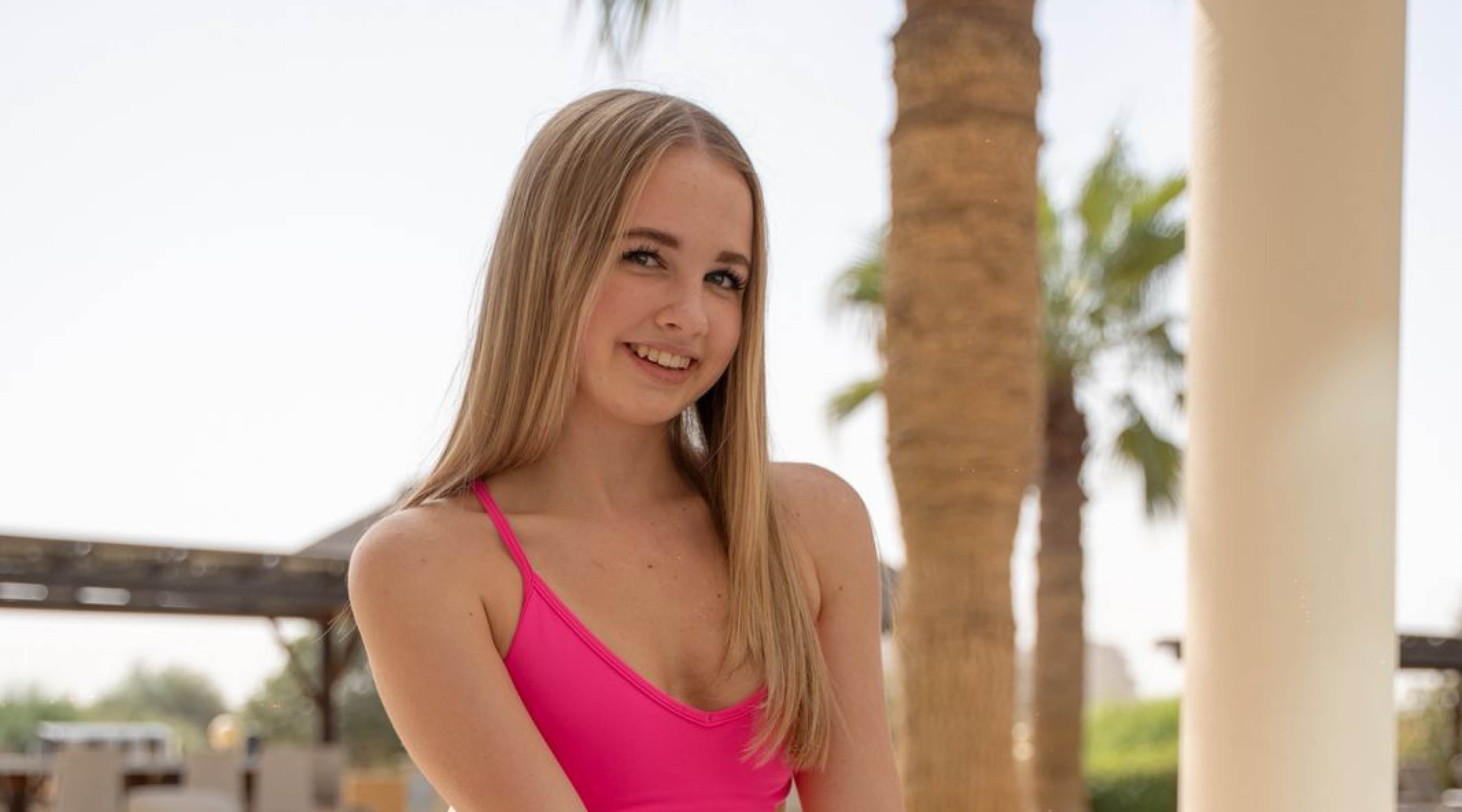
Introduction: Dancewear Is More Than What You Wear
Dance is a physical art form that demands strength, flexibility, coordination, and emotional expression. While technique and training are essential, one often-overlooked factor plays a critical role in performance: dancewear.
The right dancewear supports movement, enhances posture, and allows dancers to focus fully on their choreography. Poorly designed or ill-fitting dancewear, on the other hand, can restrict motion, distract the dancer, and even contribute to discomfort or injury.
At Glam Groove, we believe dancewear should work with the body — not against it. In this guide, we explore the science behind how dancewear affects performance, combining movement principles, comfort psychology, and real-world dance practice.
1. The Connection Between Clothing & Movement
Every movement a dancer makes — a plié, a leap, a turn — depends on freedom of motion. Clothing that restricts joints or creates friction can interfere with technique.
How Dancewear Supports Movement
- Four-way stretch allows full joint articulation
- Seam placement avoids restriction at hips and shoulders
- Lightweight fabrics reduce drag during motion
Dancewear is essentially performance equipment, not just apparel.
2. Fit: The Foundation of Performance
Fit is one of the most important factors influencing dance performance.
Proper Fit Enhances:
- Range of motion
- Muscle engagement awareness
- Balance and alignment
Poor Fit Can Cause:
- Distraction during movement
- Limited flexibility
- Slipping straps or shifting waistbands
Dancewear should feel like a second skin — secure, supportive, and unobtrusive.
3. Fabric Technology & Physical Comfort
Modern dancewear fabrics are engineered for performance.
Key Fabric Features
- Moisture-wicking keeps skin dry
- Breathability regulates temperature
- Elastic recovery maintains shape
When dancers feel physically comfortable, they can focus on technique and expression rather than discomfort.
4. Biomechanics: How Dancewear Supports Technique
Biomechanics refers to how the body moves. Dancewear plays a role in supporting proper biomechanics by:
- Allowing unrestricted joint movement
- Supporting muscle engagement
- Preventing unnecessary resistance
For example, high-quality leggings with light compression can enhance proprioception — the body’s awareness of movement and positioning.
5. Temperature Regulation & Endurance
Overheating or feeling cold can negatively impact performance.
Dancewear Helps By:
- Allowing heat to escape
- Preventing sweat buildup
- Maintaining consistent body temperature
This is especially important in long rehearsals or high-intensity classes.
6. The Psychological Impact of Dancewear
Performance isn’t only physical — it’s mental.
How Dancewear Affects Confidence
- Feeling secure reduces self-consciousness
- Flattering cuts improve body awareness
- Trusted clothing builds routine and readiness
When dancers feel confident in what they’re wearing, they perform with greater presence and freedom.
7. Dancewear & Injury Prevention
While dancewear doesn’t replace proper training or conditioning, it can help reduce risk.
Supportive Dancewear Can:
- Prevent slipping or bunching during movement
- Reduce skin irritation
- Encourage correct posture
Ill-fitting clothing, on the other hand, can cause distraction that leads to missteps.
8. Different Dance Styles, Different Performance Needs
Ballet
- Structured leotards highlight alignment
- Tights support muscle warmth
Contemporary
- Soft, flexible fabrics allow floor work
- Minimal seams reduce friction
Jazz & Hip-Hop
- Secure waistbands support jumps
- Breathable fabrics manage sweat
Each discipline requires purpose-built dancewear.
9. Dancewear for Young Dancers: Building Confidence Early
For children, comfort and confidence are especially important.
Benefits of Proper Dancewear for Kids
- Encourages participation
- Reduces discomfort-related distractions
- Builds positive associations with dance
When kids feel good in what they wear, they’re more likely to enjoy and stick with dance.
10. The Role of Layering in Performance Readiness
Layering isn’t just about warmth — it’s about preparation.
Smart Layering Allows:
- Safe warm-ups
- Gradual muscle readiness
- Easy transitions between classes
Once the body is warm, layers can be removed without interrupting focus.
11. Why Professional Dancers Prioritize Dancewear
Professional dancers often invest heavily in quality dancewear because they understand its impact.
What Professionals Look For
- Consistent fit
- Reliable fabrics
- Minimal distraction
- Durability under intense use
These same principles apply to dancers at every level.
12. How Glam Groove Curates Performance-Driven Dancewear
At Glam Groove, every piece is selected with performance in mind.
We focus on:
- Trusted dancewear brands
- Dancer-tested designs
- Comfort-first fabrics
- Style that enhances confidence
Our goal is to support dancers at every stage of their journey.
Final Thoughts: Wear What Supports Your Movement
Dancewear is not just what dancers wear — it’s part of how they move, feel, and perform. When designed with intention, dancewear supports technique, confidence, and artistic expression.
Explore performance-driven dancewear at Glam-Groove.com
Curated for movement. Designed for confidence.


