

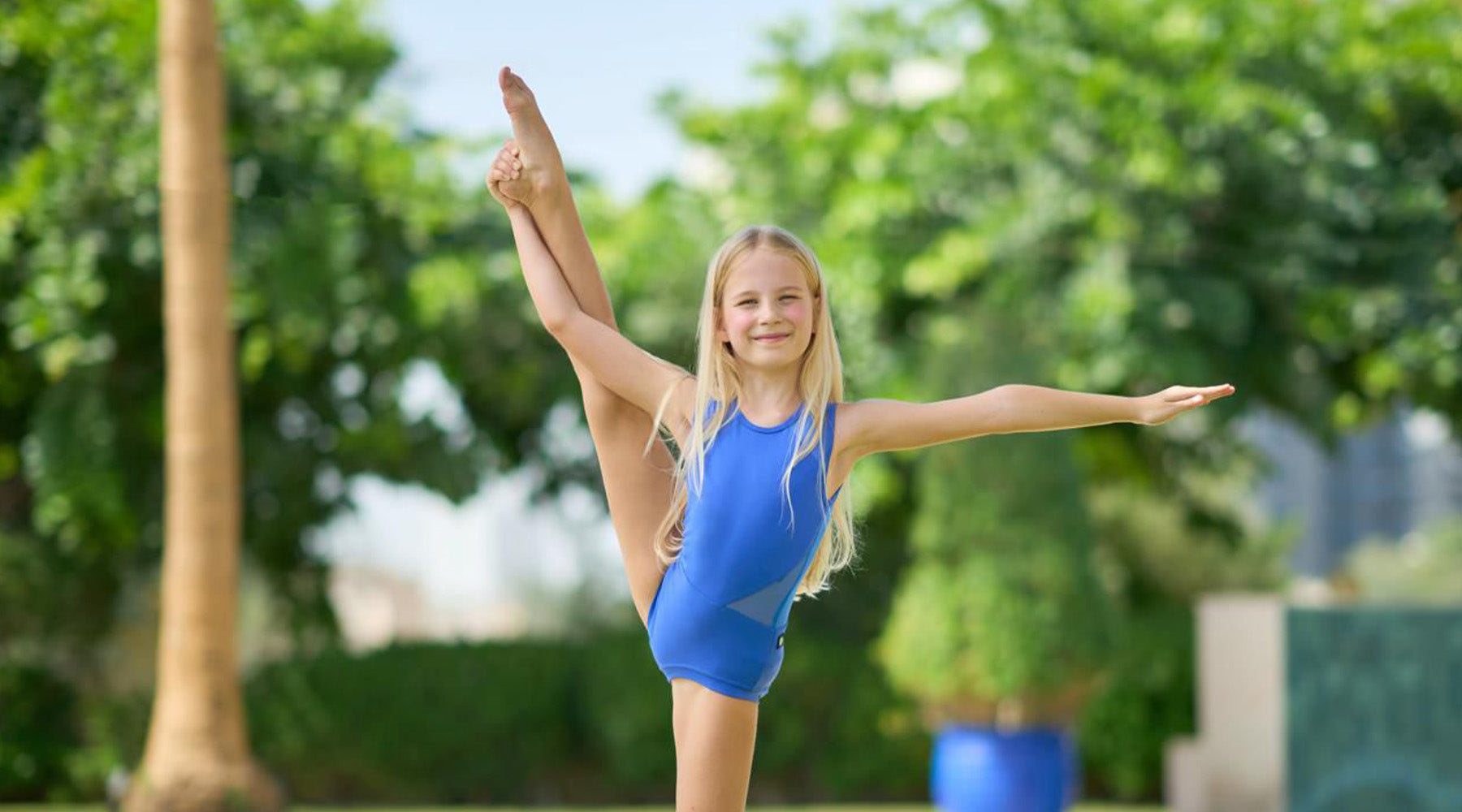
Introduction: Why the Right Dancewear Matters
Choosing dancewear is about far more than aesthetics. The right outfit can enhance movement, boost confidence, prevent discomfort, and support proper technique. Whether you’re a parent buying your child’s first leotard, a teen dancer exploring new styles, or a performer preparing for intensive training, understanding how to choose the right dancewear is essential.
At Glam Groove, we curate high-quality dancewear designed to balance style, comfort, and performance — because dancers deserve to feel as good as they look. This guide will walk you through everything you need to know to confidently select dancewear for every major dance discipline, while avoiding common mistakes that lead to discomfort or poor performance.
1. What Makes Great Dancewear?
Before diving into specific dance styles, it’s important to understand the core elements that define quality dancewear.
Fit
Dancewear should feel like a second skin — snug but never restrictive. Poor fit can limit range of motion, distract dancers during class, and affect posture.
What to look for:
- Secure but flexible seams
- No digging at shoulders, waist, or legs
- No excess fabric bunching during movement
Fabric & Breathability
Dance is physically demanding. Breathable, moisture-wicking fabrics help regulate body temperature and reduce discomfort.
Ideal materials include:
- Nylon blends
- Spandex / elastane
- Microfiber performance fabrics
Durability
High-quality dancewear withstands frequent washing, stretching, and rehearsals without losing shape.
2. Dancewear for Ballet: Grace, Structure & Precision
Ballet requires discipline, alignment, and clarity of movement — and the dancewear reflects that.
Essential Ballet Dancewear
- Leotards (classic or modern cuts)
- Ballet tights
- Ballet slippers
- Warm-up layers (wrap skirts, shrugs)
How to Choose Ballet Dancewear
- Opt for structured leotards that highlight posture
- Neutral or soft colors are typically preferred
- Look for fabrics that stretch without becoming sheer
Common mistake: Buying fashion-only leotards without enough structure for technique training.
3. Jazz Dancewear: Flexibility Meets Style
Jazz is energetic, expressive, and fast-paced. Dancewear needs to support big movements, jumps, and turns.
Essential Jazz Dancewear
- Fitted tops or crop tops
- Jazz pants or shorts
- Jazz shoes
- Supportive sports bras for teens
What to Prioritize
- Stretch and flexibility
- Sweat-friendly fabrics
- Secure waistbands that stay in place during jumps
Jazz dancewear often allows more freedom in style, making it a favorite for dancers who love bold looks.
4. Contemporary & Lyrical Dancewear: Flow & Expression
Contemporary dance focuses on emotional expression, floor work, and fluid transitions.
Popular Contemporary Pieces
- Soft leotards
- Mesh or flowy overlays
- Barefoot or foot thongs
- Neutral or earthy tones
Fit & Fabric Tips
- Look for lightweight fabrics that move beautifully
- Avoid thick seams that interfere with floor work
- Choose pieces that allow full spinal and hip movement
5. Hip-Hop Dancewear: Comfort, Confidence & Attitude
Hip-hop dancewear blends streetwear influence with performance needs.
Common Hip-Hop Dancewear Items
- Loose-fit pants or joggers
- Oversized tops or hoodies
- Sneakers designed for dance
- Layered outfits
Choosing the Right Look
- Prioritize comfort and breathability
- Ensure sneakers allow pivoting and flexibility
- Balance oversized style with secure fit to avoid tripping
6. Acro & Multi-Discipline Dancewear
For dancers training in multiple styles, versatility is key.
What Works Best
- High-stretch leotards
- Secure straps and necklines
- Durable fabrics for floor contact
- Minimal loose layers
7. Dancewear for Kids vs Teens: What’s Different?
Dancewear for Kids
- Comfort over trends
- Easy-to-wear designs
- Durable fabrics
- Parent-friendly washing instructions
Dancewear for Teens
- More style flexibility
- Stronger support needs
- Trend-driven designs
- Performance-ready cuts
8. How to Measure for the Perfect Fit
A perfect fit ensures confidence and safety.
Quick Measuring Tips:
- Chest: Measure at the fullest part
- Waist: Natural waistline
- Hips: Widest part
- Height: Always include for sizing accuracy
When in doubt, size up — dancewear should never feel restrictive.
9. Common Dancewear Buying Mistakes to Avoid
- Choosing style over function
- Ignoring fabric quality
- Buying without checking sizing guides
- Not considering dance discipline
- Skipping care instructions
10. Why Buy Dancewear from a Specialized Boutique?
Shopping from a dedicated dancewear store like Glam Groove ensures:
- Curated, dancer-approved brands
- Quality control
- Style-meets-performance designs
- Expert selection for different disciplines
Final Thoughts: Dance with Confidence
Dancewear is an extension of a dancer’s expression. When chosen thoughtfully, it supports technique, boosts confidence, and enhances every movement.
At Glam Groove, we believe dancewear should inspire dancers to move freely, confidently, and beautifully — both in class and on stage.
Explore our curated dancewear collections at Glam-Groove.com
From ballet to hip-hop, find pieces designed to move with you.


