

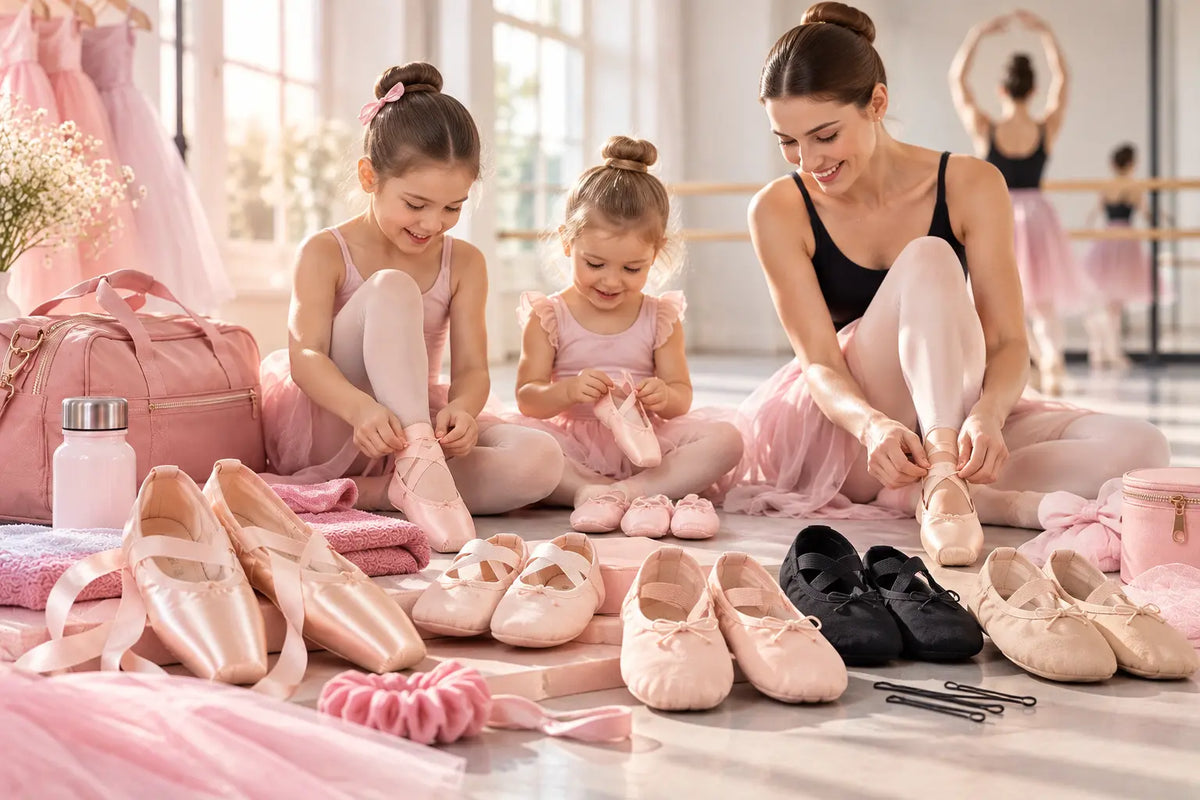
Choosing the right ballet shoes is essential for dancers of every age. Whether your child is attending their first ballet class or you are an adult learning ballet, comfortable footwear can help you move confidently and focus on your technique.
However, selecting ballet shoes involves more than choosing a colour or style. The correct size, material, sole type, and fit all play an important role in finding suitable footwear.
For parents and dancers shopping for ballet shoes, understanding these differences can make the buying process much easier.
In this guide, we explain how to choose ballet shoes for girls, kids, and women, what to look for when buying online, and which common mistakes to avoid.
Why Are the Right Ballet Shoes Important?
Ballet involves precise foot movements, balance, flexibility, and coordination. Ballet shoes are designed to fit closely around the feet while allowing dancers to move naturally.
The right pair should provide:
- A comfortable, secure fit
- Flexibility for foot movement
- Suitable sole construction
- Comfortable materials
- Appropriate sizing
- Compatibility with the studio dress code
Shoes that are too tight can cause discomfort, while oversized shoes may bunch up or slip during movement.
Always follow your ballet instructor's recommendations, especially when buying shoes for a beginner.
How to Choose Ballet Shoes for Girls
When selecting ballet shoes for girls, comfort and fit should come before appearance. Young dancers need shoes that stay securely in place during basic positions, stretches, and classroom exercises.
Check the Size Carefully
Children's feet grow quickly, but buying oversized ballet shoes is not the best solution. Extra material can interfere with movement and make the shoes uncomfortable.
Measure your child's feet according to the manufacturer's instructions and compare the measurements with the brand's size chart.
Choose the Right Material
Canvas and leather are two common materials used for ballet shoes.
Canvas shoes are lightweight and flexible, while leather shoes are traditionally valued for their durability. The best choice depends on your child's needs and the studio's requirements.
Ask About Studio Requirements
Some ballet schools specify the colour, sole type, or brand of footwear students should wear.
Before purchasing, confirm these details with the instructor to avoid buying an unsuitable pair.
Prioritize Comfort
Check that the shoes do not pinch the toes, create painful pressure, or slip off during movement. A close fit is important, but ballet shoes should never feel painfully tight.
Ballet Shoes for Kids: What Parents Should Know
Buying ballet shoes for kids can feel confusing when you are unfamiliar with dance footwear. Children's shoes may use different sizing systems, and the correct fit can vary between brands.
Here are some useful tips for parents.
Measure Both Feet
Measure both feet and use the larger measurement when consulting the size chart. Follow the manufacturer's guidance because ballet shoe sizing can differ from everyday footwear.
Check the Toe Area
The toes should have enough room to lie comfortably without excessive bunching inside the shoe.
Consider the Sole
Some beginners may be asked to wear full-sole ballet shoes, while other studios permit or recommend split-sole styles. Confirm the requirements before ordering.
Think About Regular Use
If your child attends ballet classes several times a week, durability and ease of care are important considerations.
You can also explore Glam Groove's kids' collection for dancewear and other essentials for young dancers.
How to Choose Ballet Shoes for Women
Adults learning ballet and experienced dancers may have different footwear preferences depending on their training level and the type of classes they attend.
When choosing ballet shoes for women, consider the following factors.
Beginner Ballet Shoes
Adult beginners should prioritize comfort, a secure fit, and the recommendations of their instructor.
A traditional ballet slipper can be a practical starting point for learning basic positions, footwork, and balance.
Ballet Shoes for Regular Training
Dancers who attend classes regularly may prefer lightweight shoes that fit consistently and allow comfortable movement throughout the session.
Material, sole construction, and fit should all be considered before making a purchase.
Ballet Shoes for Experienced Dancers
Experienced dancers may have more specific preferences regarding sole flexibility, fit, and how the shoe feels against the floor.
If you are changing brands or styles, check the sizing guidance carefully rather than assuming your usual size will fit the same way.
Glam Groove's women's collection includes dancewear and footwear options for adult dancers.
Canvas vs Leather Ballet Shoes
One of the most common questions when shopping for ballet shoes is whether to choose canvas or leather.
Canvas Ballet Shoes
Canvas ballet shoes are generally lightweight and flexible. They can be suitable for dancers who want a soft shoe for regular classes.
Potential advantages include:
- Lightweight construction
- Flexible feel
- Easy movement
- A comfortable option for many training routines
Care requirements depend on the individual product, so always follow the manufacturer's instructions.
Leather Ballet Shoes
Leather ballet shoes are another traditional option for ballet training.
They are often chosen for their durability and the way the material conforms to the foot with use.
Before purchasing, check the construction, fit, and care instructions for the specific shoe.
Which Material Is Better?
Neither material is automatically the best choice for every dancer.
|
Factor |
Canvas |
Leather |
|
Feel |
Lightweight and flexible |
Structured and supple |
|
Fit |
Depends on stretch and construction |
May adapt to the foot with wear |
|
Care |
Follow product instructions |
Follow leather-care guidance |
|
Best choice |
Depends on dancer and studio |
Depends on dancer and studio |
The right material is the one that meets your training needs and studio requirements.
Full-Sole vs Split-Sole Ballet Shoes
The sole is another important consideration when choosing ballet footwear.
Full-Sole Ballet Shoes
Full-sole ballet shoes have a continuous sole beneath the foot.
They may be recommended for beginners who are developing basic foot strength and technique, depending on the instructor's preference.
Split-Sole Ballet Shoes
Split-sole ballet shoes have separate sole sections under the heel and the ball of the foot.
This design allows greater flexibility through the arch and is often preferred by dancers who want to show the shape of their feet.
Which Sole Should You Choose?
Your experience level and instructor's recommendations should guide this decision.
Beginners should not assume that the most flexible shoe is automatically the best. The correct choice depends on the training programme and the dancer's needs.
How Should Ballet Shoes Fit?
A good fit is one of the most important parts of choosing ballet shoes.
Use these checks before deciding on a pair:
- The shoes should fit closely without painful pressure.
- The toes should not be painfully compressed.
- The heel should stay in place during movement.
- The material should not bunch excessively.
- The shoes should allow natural foot articulation.
- The elastic should secure the shoe without digging into the skin.
Avoid relying entirely on your usual street-shoe size. Different brands and styles can fit differently.
If you are shopping online, use the product's specific size chart and review the exchange policy before ordering.
What Colour Ballet Shoes Should You Choose?
Ballet shoes are available in different colours, but the right choice often depends on the dance school's dress code.
Common colours include:
- Ballet pink
- Skin-tone shades
- Black
- White
Pink is commonly used in traditional ballet classes, but requirements vary by studio and performance.
For children, confirm the expected colour before purchasing. Adult dancers should also check whether their class or performance requires a specific shade.
Common Mistakes to Avoid When Buying Ballet Shoes
Buying a Larger Size to Allow for Growth
Oversized shoes may slip, bunch up, and interfere with movement. Choose according to the manufacturer's sizing guidance.
Choosing Shoes Only by Appearance
A beautiful design cannot compensate for an uncomfortable or unsuitable fit.
Ignoring the Sole Type
Full-sole and split-sole shoes have different constructions. Check which type your instructor recommends.
Assuming All Brands Fit the Same
Sizing varies between manufacturers and models. Always review the individual product's size information.
Buying Pointe Shoes Too Early
Pointe shoes are specialist footwear that require appropriate training and professional fitting. They should only be purchased when recommended by a qualified ballet teacher and fitted by an experienced pointe-shoe fitter.
What Else Do You Need for Ballet Class?
Ballet shoes are only one part of a complete class outfit.
Depending on your studio's requirements, you may also need:
- A fitted leotard
- Ballet tights
- Hair ties and pins
- A dance bag
- Warm-up clothing
Explore Glam Groove's leotards and accessories to find additional dance essentials.
If you are shopping for your first ballet outfit, check the dress code before buying everything together.
Where to Find Ballet Shoes at Glam Groove
Glam Groove offers dancewear and accessories for dancers in Dubai and across the UAE.
You can browse the shoes collection to review available footwear and product details. The collection includes selected dance shoes and training footwear, while the women's collection lists Intermezzo canvas ballet shoes in Ballet Skin Pink.
Product availability, sizes, and styles may vary, so check the individual listing before placing an order.
For a broader overview of buying dance footwear locally, read our ballet shoe guide.
Frequently Asked Questions
Which ballet shoes are best for girls?
The best ballet shoes for girls are those that fit comfortably, remain secure during movement, and meet the dance school's requirements. Check sizing and sole type before buying.
Are ballet shoes for kids different from adult ballet shoes?
The basic design may be similar, but sizing, proportions, and available styles can differ. Always choose the correct size range for the dancer.
Are canvas ballet shoes good for beginners?
Canvas shoes can be suitable for beginners, but the right material and sole depend on the instructor's recommendations and the specific shoe.
Should ballet shoes feel tight?
Ballet shoes should fit closely but should not cause pain, pinch the toes, or restrict movement. Follow the manufacturer's fitting guidance.
Can women wear children's ballet shoes?
Only if the sizing and construction provide a suitable fit. Compare actual measurements rather than choosing based solely on the age category listed.
Final Thoughts
Choosing ballet shoes for girls, kids, and women becomes much easier when you understand the differences in fit, materials, and sole construction.
Prioritize comfort, follow the studio's dress code, and check the manufacturer's size chart before ordering. The right shoes should allow natural movement and help dancers concentrate on learning and improving their technique.
Whether you are buying a first pair for a child or updating your own dance footwear, take time to compare suitable options before making a decision.
Explore Glam Groove's dancewear collections to find ballet essentials and prepare for your next class with confidence.


