

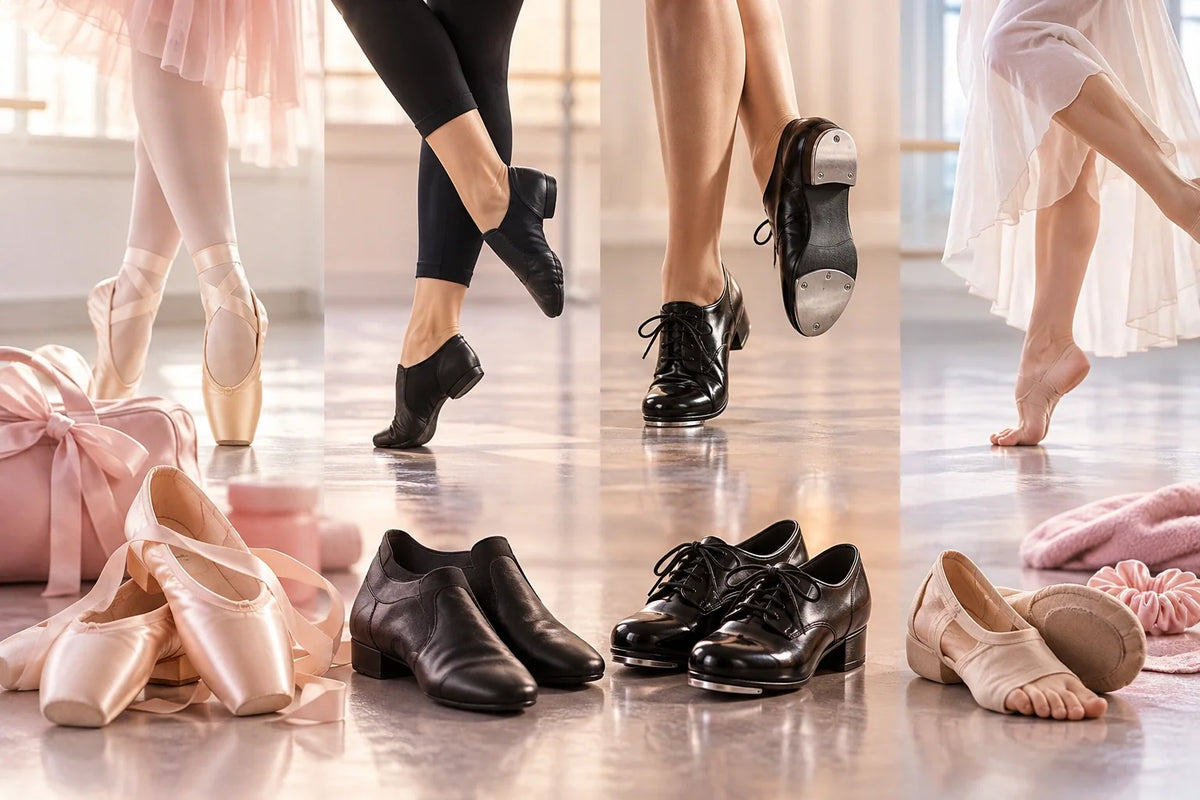
Choosing the right dance shoes is essential for comfort, flexibility, and confidence during dance classes and performances. Different dance styles require different types of footwear, from lightweight ballet slippers to specialised tap shoes. The right pair can help dancers move comfortably and practise techniques suited to their chosen style.
Whether you are a beginner, a parent shopping for a young dancer, or an experienced performer, understanding how different dance shoes work can make your buying decision easier.
At Glam Groove, dancers can explore dancewear and accessories for their training needs. In this guide, we explain how to choose the right dance shoes for ballet, jazz, tap, and contemporary dance, along with practical tips on sizing, fit, and care.
Why Choosing the Right Dance Shoes Matters
Dance shoes are designed to accommodate the movements associated with specific dance styles. Ballet requires precise footwork and controlled movements, jazz involves turns and dynamic choreography, and tap dancing relies on shoes that produce rhythmic sounds. Contemporary dance may involve barefoot movement or specialised footwear, depending on the class.
Wearing unsuitable footwear can cause discomfort and make certain movements more difficult. Before purchasing a pair, consider your dance style, experience level, studio floor, and instructor's recommendations.
You can start by exploring the dance shoes collection to see which footwear options are available for your training requirements.
1. How to Choose Ballet Shoes
Ballet shoes are lightweight, flexible shoes designed for classical ballet training. They allow dancers to point their toes, articulate their feet, and maintain contact with the floor.
Types of Ballet Shoes
Canvas ballet shoes: Canvas shoes are lightweight and flexible, making them a popular option for regular practice.
Leather ballet shoes: Leather shoes are often chosen for their durability and traditional construction.
Full-sole ballet shoes: These feature a sole extending across most of the underside and may be recommended for beginners developing foot strength.
Split-sole ballet shoes: These have separate sole sections beneath the heel and forefoot, allowing greater flexibility through the arch.
What to Look for in Ballet Shoes
Choose ballet shoes that fit closely without painfully squeezing your toes. Excess material can bunch up, while shoes that are too tight can cause discomfort.
Check the heel fit, elastic placement, and sole design. Beginners should follow their ballet teacher's recommendations before selecting a specific style.
Your practice wardrobe also matters. Explore ballet dance essentials to discover dancewear options that can complement your training outfit.
2. How to Choose Jazz Shoes
Jazz dance combines quick footwork, turns, jumps, and expressive choreography. Jazz shoes are designed to provide a combination of flexibility and a secure fit.
Common Types of Jazz Shoes
Jazz slip-ons: These are easy to wear and have a streamlined design that allows freedom of movement.
Lace-up jazz shoes: These provide an adjustable closure for dancers who prefer a customised fit.
Split-sole jazz shoes: Their separate sole sections can allow greater foot flexibility, depending on the design.
Jazz boots: These provide a higher cut around the ankle and may be required for particular classes or choreography.
Tips for Choosing Jazz Shoes
Look for a secure heel, a comfortable fit around the midfoot, and enough room for natural toe movement. The sole should be appropriate for your studio floor and allow controlled turns.
Avoid choosing jazz shoes based on appearance alone. Ask your instructor which style is suitable for your class and experience level.
It is also important to choose clothing that allows unrestricted movement. You can browse comfortable dance clothing to explore apparel options for your training routine.
3. How to Choose Tap Dance Shoes
Tap dancing combines movement with rhythmic sounds produced by metal plates attached to the soles and heels of specialised shoes.
The construction of tap shoes, including their plates and fastening system, can influence how they feel and sound during practice.
Types of Tap Shoes
Beginner tap shoes: These are generally suitable for learning fundamental steps and rhythms.
Oxford-style tap shoes: These typically feature a closed design with laces for a secure fit.
Mary Jane-style tap shoes: These have a strap across the foot and are available in styles for younger dancers.
Advanced tap shoes: Experienced dancers may prefer specific constructions and tap plates to suit their technique and performance requirements.
What to Check Before Buying Tap Shoes
Choose shoes that remain secure during movement without creating pressure points. Check that the tap plates are properly attached and follow the manufacturer's care instructions.
Your instructor can recommend the appropriate shoe type for your level and class requirements. Make sure your shoes are suitable for the studio floor to avoid damaging the surface.
4. How to Choose Footwear for Contemporary Dance
Contemporary dance incorporates a variety of movements, including turns, balances, floorwork, and expressive choreography. Unlike ballet or tap, it does not always require traditional dance shoes.
Barefoot Dancing
Some contemporary classes are performed barefoot to allow direct contact with the floor. However, barefoot practice is suitable only when permitted by the instructor and when the floor is appropriate for the planned movements.
Dance Socks and Foot Thongs
Dance socks: Specialised dance socks provide light coverage, although their grip and suitability vary by design.
Foot thongs or half-sole shoes: These cover part of the forefoot while leaving much of the foot exposed. They may be used for specific contemporary or lyrical dance techniques.
How to Make the Right Choice
Check your class requirements before purchasing footwear. Your choice should depend on the choreography, floor surface, and instructor's guidance.
If you need additional items for your practice routine, explore the dance accessories collection for available accessories that may suit your needs.
5. How to Find the Correct Dance Shoe Size
Dance shoes can fit differently from everyday footwear. Some styles are designed to fit closely, while others require a little more room.
Follow these steps to choose a suitable size:
- Measure both feet: Use the larger foot as a starting point.
- Check the brand's size chart: Sizing can vary between manufacturers and shoe styles.
- Consider the shoe design: Ballet slippers, jazz shoes, and tap shoes have different constructions.
- Check toe comfort: Your toes should not feel painfully compressed.
- Check heel security: Excessive slipping can affect comfort and movement.
- Follow specialist advice: Ask your instructor or retailer if you are unsure about the fit.
When shopping for dancewear online, reviewing measurements before ordering can help reduce sizing mistakes. Refer to the dancewear size guide for apparel sizing information. Remember that clothing measurements do not replace a footwear-specific size chart.
6. Common Dance Shoe Shopping Mistakes to Avoid
Avoid these common mistakes when shopping for dance footwear.
Choosing Appearance Over Fit
Attractive colours and designs can be appealing, but comfort and suitability should come first. Shoes should fit securely without causing unnecessary pressure.
Buying Shoes That Are Too Large
Excess space can cause slipping, bunching, or reduced control during movement. Check the manufacturer's sizing guidance rather than automatically buying a larger size.
Using the Same Shoes for Every Dance Style
Ballet slippers, jazz shoes, and tap shoes serve different purposes. Choose footwear based on your class requirements.
Ignoring Studio Requirements
A shoe suitable for one surface may not be appropriate for another. Ask your instructor about the required sole type and studio-floor rules.
Buying Advanced Shoes Too Early
Beginners may not need specialised performance footwear. Starting with the shoe recommended for your level can help you avoid unnecessary spending.
Skipping the Return Policy
Before ordering online, review the retailer's size information, exchange policy, and conditions for returning footwear.
7. How to Care for Your Dance Shoes
Proper care can help keep dance shoes in good condition.
- Allow shoes to air out after class.
- Store them in a clean, ventilated shoe bag.
- Follow the manufacturer's cleaning instructions.
- Check the soles, stitching, straps, laces, and tap plates regularly.
- Keep indoor dance footwear away from outdoor dirt.
- Replace shoes when wear or changes in fit affect their suitability.
Different materials require different care methods, so avoid using cleaning products that could damage the shoe. Keeping your footwear clean and checking it regularly can help you identify wear before your next class or performance.
Conclusion
Choosing the right dance shoes starts with understanding the needs of your dance style. Ballet dancers generally use flexible ballet slippers, jazz dancers need suitable flexible footwear, tap dancers require shoes with appropriate tap plates, and contemporary dancers may perform barefoot or use specialised foot coverings.
Always consider fit, comfort, studio-floor requirements, and your instructor's recommendations before purchasing.
Explore the dance shoes collection to browse the footwear options available at Glam Groove. If you have questions before placing an order, you can contact our team for further information.
The right footwear can help you prepare for every class, rehearsal, and performance with greater comfort and confidence.
Frequently Asked Questions
1. Which dance shoes are best for beginners?
The best option depends on the dance style. Ballet beginners often start with ballet slippers, jazz students may need jazz shoes, and tap students require shoes with tap plates. Always follow your instructor's recommendations.
2. Can I use ballet shoes for jazz dancing?
Ballet shoes and jazz shoes are designed for different movements. Use the footwear recommended by your instructor for your class.
3. Should dance shoes fit tightly?
Dance shoes should fit securely without causing pain or excessive pressure. The ideal fit varies by style and manufacturer.
4. Do contemporary dancers need special shoes?
Not always. Some contemporary classes are performed barefoot, while others use dance socks or foot thongs, depending on the choreography and studio requirements.
5. When should I replace my dance shoes?
Replace them when they become uncomfortable, lose their intended fit, or show wear that affects their suitability for dancing.


